5 Foods That Help Stabilize Blood Sugar: A Lynnove Guide to Eating With Intention

Managing blood sugar is not just about avoiding the wrong foods. It is just as much about consistently including the right ones. Whether you are living with Type 1 diabetes, Type 2 diabetes, or simply trying to feel more stable and energized throughout the day, what you put on your plate plays a significant role.
The five foods below have been recognized for their ability to support steadier blood sugar levels. They are not miracle cures, and they work best as part of a balanced lifestyle. But they are a great place to start.
1. Leafy Greens

Spinach, kale, Swiss chard, collard greens — these are some of the most nutrient-dense foods available, and they are remarkably low in digestible carbohydrates. Because they have a minimal impact on blood glucose, you can eat them in generous portions without worrying about spikes.
Leafy greens are also rich in magnesium, a mineral that plays a key role in insulin function. Studies have found that higher magnesium intake is associated with a lower risk of insulin resistance, making greens a smart addition to any meal.
Simple ways to include them:
• Add a handful of spinach to scrambled eggs or an omelette
• Build salads using kale or arugula as the base
• Stir collard greens or Swiss chard into soups and stews
2. Eggs

Eggs are one of the most well-rounded foods for blood sugar management. They are high in protein and healthy fats, and they contain virtually no carbohydrates. This combination helps slow digestion and prevents the rapid rise in glucose that comes with higher-carb meals.
Research has also suggested that eating eggs for breakfast can lead to more stable blood sugar levels throughout the morning compared to carbohydrate-heavy alternatives. They are also incredibly versatile, which makes them easy to include in your diet consistently.
Simple ways to include them:
• Boil a batch of eggs at the start of the week for a ready-made snack
• Pair eggs with sautéed greens and avocado for a balanced breakfast
• Use eggs as a protein anchor in grain bowls or salads
3. Nuts and Seeds
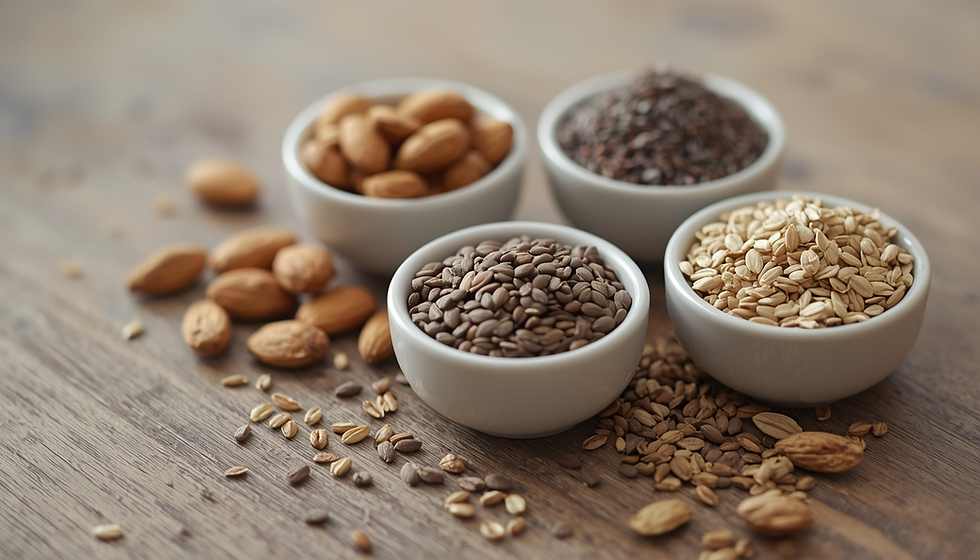
Almonds, walnuts, chia seeds, flaxseeds, and pumpkin seeds are all excellent choices for blood sugar stability. They offer a combination of fiber, protein, and healthy fats that slows the absorption of glucose into the bloodstream.
Nuts in particular have been shown to lower post-meal blood sugar spikes when eaten alongside higher-carb foods. Even a small handful can make a meaningful difference. Seeds like chia and flax also absorb water and form a gel in the digestive tract, which further slows digestion and supports more gradual glucose release.
Simple ways to include them:
• Snack on a small handful of almonds or walnuts between meals
• Stir chia seeds into yogurt, smoothies, or overnight oats
• Sprinkle ground flaxseed onto salads or into baked goods
4. Avocado
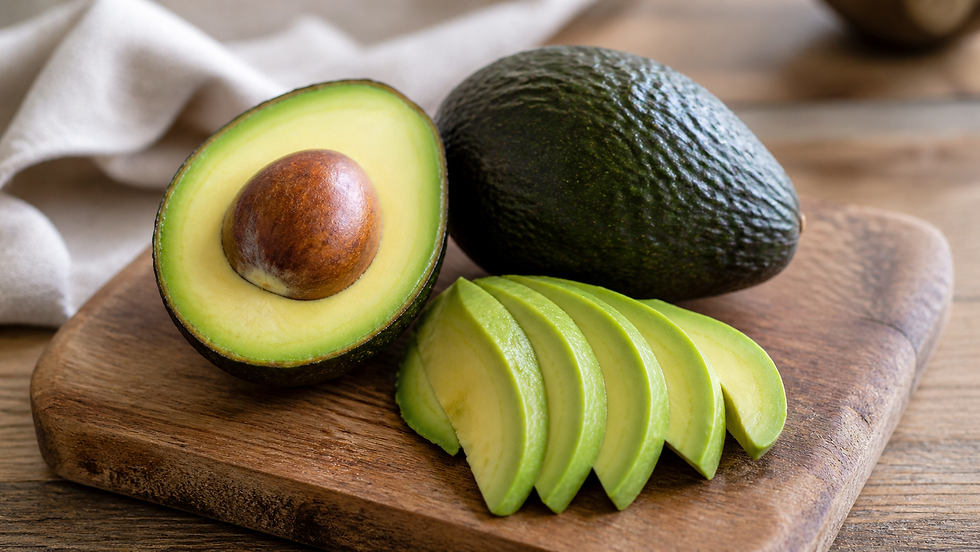
Avocados are uniquely rich in monounsaturated fats and fiber, both of which contribute to better blood sugar control. The healthy fats in avocado slow the rate at which food leaves the stomach, which leads to a more gradual rise in blood glucose after a meal.
Beyond blood sugar, avocados also contain potassium, which supports heart health — an important consideration for people managing diabetes. They are also satisfying in a way that can reduce overall food intake throughout the day.
Simple ways to include them:
• Add sliced avocado to salads, grain bowls, or wraps
• Spread it on whole grain toast with a poached egg
• Blend into smoothies for creaminess and healthy fats
5. Wild-Caught Fish
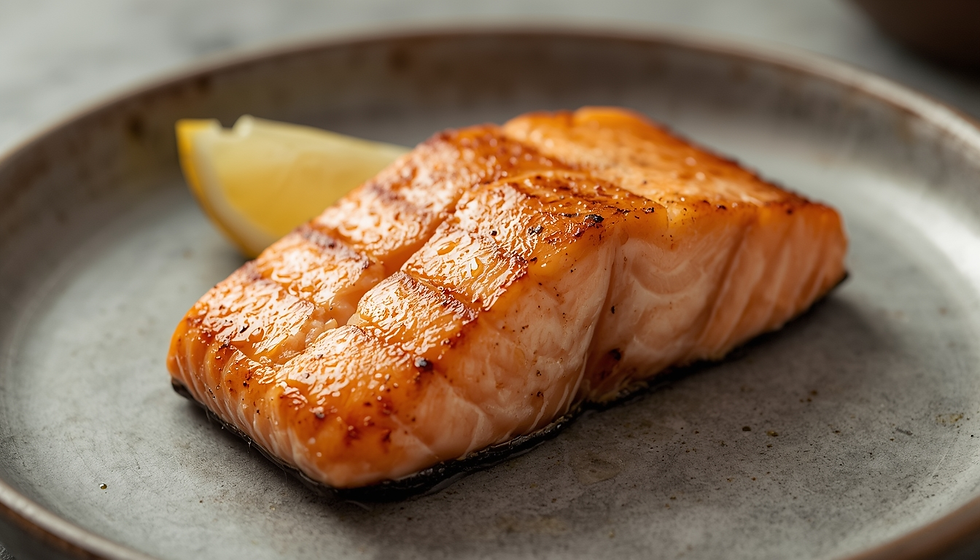
Fatty fish like salmon, mackerel, sardines, and trout are among the best sources of omega-3 fatty acids, a type of fat that has been linked to reduced inflammation and improved insulin sensitivity. Since chronic inflammation plays a role in insulin resistance, regularly including omega-3-rich fish can support your body's ability to manage blood sugar over time.
Wild-caught fish is generally preferred over farmed varieties because it tends to have a better omega-3 to omega-6 ratio and fewer contaminants. Fish is also a complete protein source, which helps stabilize blood sugar by slowing digestion and reducing glucose spikes after meals.
Simple ways to include them:
• Aim for two to three servings of fatty fish per week
• Bake or pan-sear salmon and serve it over roasted vegetables
• Keep canned sardines or mackerel on hand for a quick, nutrient-dense meal
The Bigger Picture
No single food will transform your blood sugar on its own. What makes the biggest difference is consistency — building meals around whole, nutrient-dense foods that work with your body rather than against it. These five foods are a solid foundation to build from.
At Lynnove, we believe that managing a health condition does not mean sacrificing flavour or satisfaction. It means learning what your body responds to and finding joy in feeding it well.
Comments